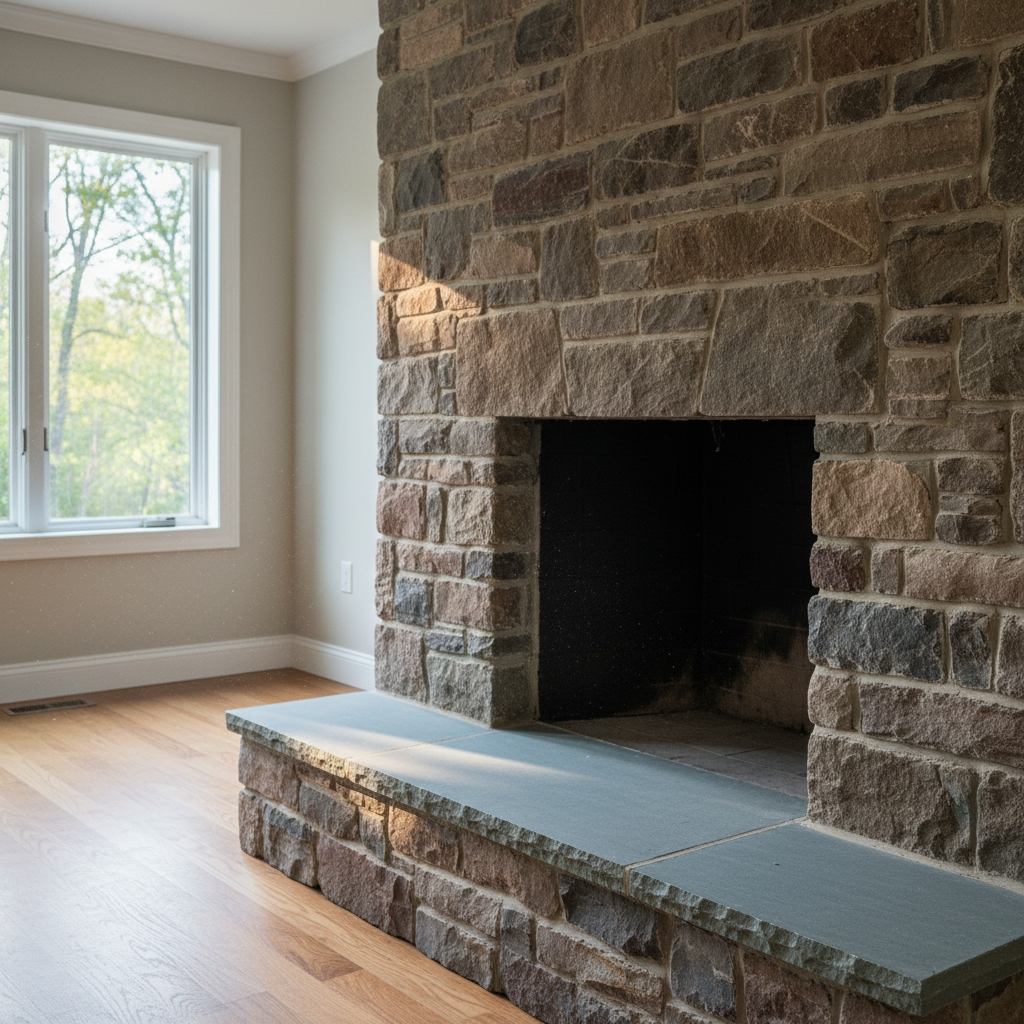
What's the difference between a traditional masonry fireplace and a factory-built one?
This is probably the first thing we talk about with folks. A traditional masonry fireplace is built on-site, brick by brick, stone by stone. It's heavy, it needs a substantial foundation, and it's designed to last for generations. Think of the old fireplaces you see in historic homes around Wickford Village – those are masonry. They're incredibly durable, radiate heat well, and honestly, they just have a certain character you can't fake. Factory-built, or 'pre-fab,' fireplaces are manufactured in a factory, then shipped to your home and installed. They're lighter, often more efficient right out of the box, and generally cost less upfront. They're a good option if you want a fireplace but don't have the space or budget for a full masonry unit, or if you're adding one to an existing structure where a heavy masonry unit would be a big engineering challenge. But they're not built to the same lifespan as a masonry unit, and they often have specific venting requirements.
How important is the foundation for a masonry fireplace?
Crucial. Absolutely critical. A masonry fireplace, especially one with a stone veneer or full brick, is incredibly heavy. We're talking thousands of pounds. If the foundation isn't properly designed and built to support that weight, you're going to have problems down the road – cracking in the hearth, the chimney, even the surrounding walls of your house. Here in North Kingstown, especially in areas with softer, coastal soil, we pay extra close attention to foundation design. You can't just pour a slab and hope for the best. It needs to be engineered for the specific load and soil conditions. It's one of those 'out of sight, out of mind' things, but it's the backbone of the whole structure. Don't skimp here.
Can I convert my wood-burning fireplace to gas, or vice-versa?
Yep, you usually can, but it's not always a simple swap. Converting a wood-burning fireplace to gas is pretty common. You'd typically install a gas log set or a gas insert. This often involves running a gas line to the fireplace, which needs to be done by a licensed plumber. You'll also want to make sure your chimney is still in good shape, even though gas produces less creosote. Going from gas to wood is more involved. If it's a factory-built gas fireplace, it's generally not designed to handle the heat and exhaust of wood burning, so a full replacement is usually necessary. If it's a masonry fireplace that was converted to gas, you might be able to go back to wood, but you'd need a thorough inspection of the flue, firebox, and damper to ensure it's safe and up to current codes for wood burning. Don't just toss a log in there without checking first.
What are the key safety considerations for a new fireplace?
Safety is always top of mind for us at Skyline Masonry Solutions. First off, proper clearances to combustible materials are non-negotiable. That means wood framing, insulation, and anything else that can burn needs to be a safe distance from the firebox and chimney. We follow strict building codes for this. Second, the chimney and flue system must be correctly sized and installed to ensure proper draft and prevent smoke from coming back into your home. A good draft is essential not just for smoke, but for venting carbon monoxide. Third, a sturdy hearth is needed to catch any stray embers. And finally, regular maintenance – chimney cleaning and inspections – is vital, even after we've built it perfectly. A well-built fireplace is only safe if it's well-maintained.
How long does it take to build a masonry fireplace and chimney?
That's a tough one to give a single answer for because it depends a lot on the size, complexity, and materials. A basic, single-flue fireplace and chimney might take a few weeks from start to finish, assuming good weather and no major surprises. If you're talking about a large, multi-flue chimney with intricate stone work, or if we hit unexpected issues like needing extensive foundation work, it could be a month or more. Masonry is an art, and it takes time to do it right. We're not just slapping bricks together; we're building a structural component of your home that needs to last. We'll always give you a clear timeline upfront once we understand the scope of your specific project.
What kind of maintenance does a fireplace need?
Alright, so you've got your beautiful new fireplace. Now what? For wood-burning fireplaces, you'll want to have your chimney inspected and cleaned annually by a certified chimney sweep. This removes creosote buildup, which is highly flammable and a major cause of chimney fires. They'll also check for cracks, blockages, and any other issues. For gas fireplaces, while they don't produce creosote, an annual inspection is still a good idea to check the gas line, burner, and venting for proper operation and leaks. You should also regularly clean out the firebox and hearth, and check your damper for proper function. It's like changing the oil in your car – a little bit of regular care prevents big problems later on.
Can I use any type of wood in my fireplace?
Not really, no. You want to burn seasoned hardwood. 'Seasoned' means it's been dried for at least six months, preferably a year or more. Hardwoods like oak, maple, and ash burn hotter and longer, and produce less creosote than softwoods like pine or fir. Never burn treated lumber, painted wood, trash, or anything with glues or chemicals – those release toxic fumes and can damage your flue. Wet or 'green' wood also burns poorly, creates a lot of smoke, and leads to heavy creosote buildup. Stick to good, dry hardwood, and you'll get the best performance and safest operation from your fireplace.