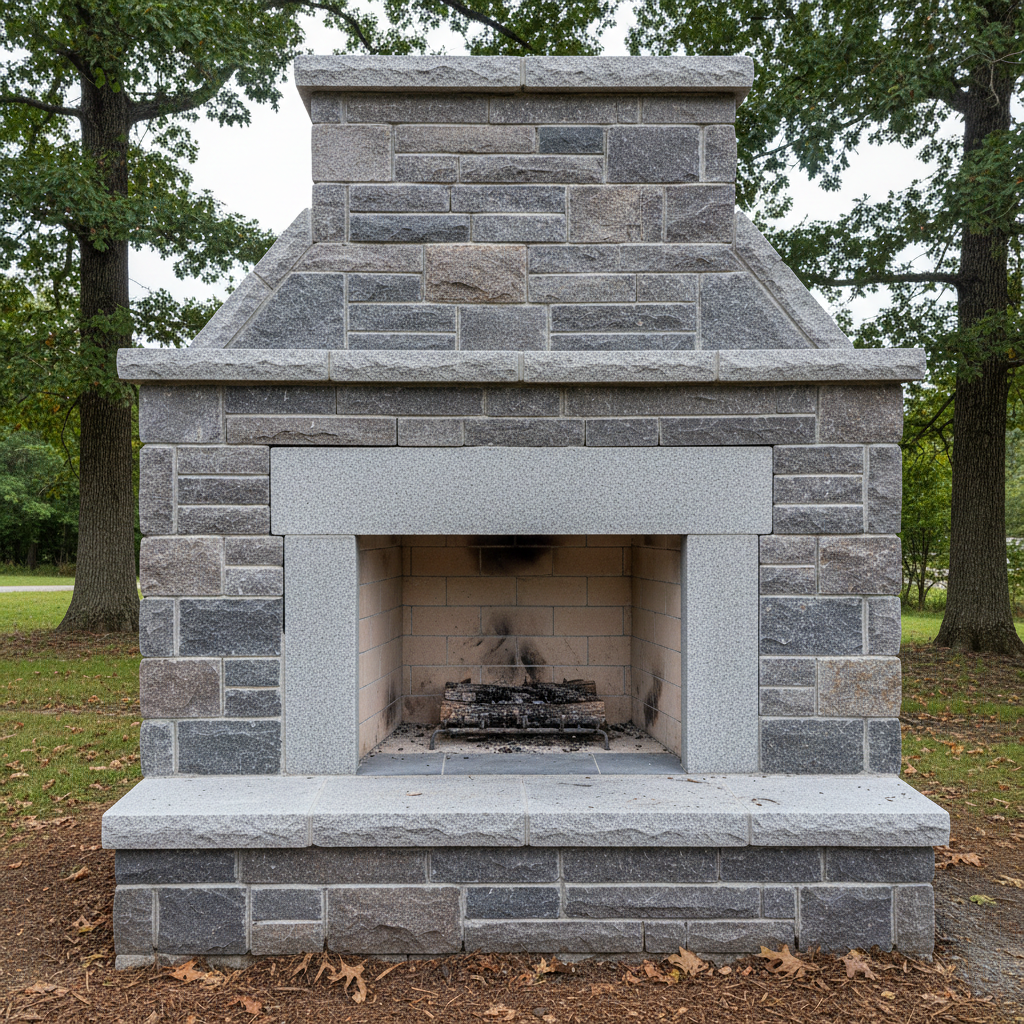
Can I really build a fireplace anywhere in my house?
Short answer? Not really, or at least not easily. Look, a fireplace isn't just a hole in the wall. You're talking about serious weight – hundreds, sometimes thousands of pounds of brick, stone, and mortar. That's got to sit on a proper foundation. If you're thinking about adding one to an existing home, especially on an upper floor or where there isn't already a chimney chase, you're looking at a major structural project. We'd have to assess the floor joists, the main beam, and the foundation below to make sure it can handle the load. Sometimes, it means pouring a new concrete pad in the basement or even outside the house for the chimney. It's not impossible, but it's a whole lot more involved than just picking a spot and going for it. Don't let anyone tell you otherwise; structural integrity is paramount.
What's the difference between a masonry fireplace and a factory-built one? Which is better?
This is a big one, and it really depends on what you're after. A masonry fireplace is what most people picture: built brick by brick, block by block, right there on site. It's solid, durable, and can be a real showstopper. They hold heat for a long time, even after the fire dies down, radiating warmth into your home. The downside? They're expensive, take a long time to build, and need a substantial foundation. Factory-built, or pre-fab, fireplaces are metal boxes designed to be installed into a framed chase. They're much lighter, less expensive, and quicker to put in. They also tend to be more efficient at burning wood because they're engineered for it. But they don't have that same old-world charm or the thermal mass of a masonry unit. They also have a shorter lifespan, typically 10-20 years, compared to a masonry fireplace that can last a century or more with proper care. 'Better' is subjective here. If you want a timeless centerpiece and are willing to invest, go masonry. If you're on a budget, need quicker installation, or prioritize efficiency, pre-fab is a good choice. I've installed plenty of both for folks around North Kingstown, from the historic homes near Wickford Village to the newer developments off Route 4.
Do I need a permit for a new fireplace or chimney?
Absolutely, 100% yes. No question about it. Building a fireplace, whether it's masonry or factory-built, involves structural changes, fire safety, and often electrical work for blowers or gas lines. You'll need permits from the Town of North Kingstown building department. This isn't just bureaucracy; it's about making sure your home is safe and up to code. Inspections will happen at various stages – foundation, framing, rough-in, and final. Trying to skip this step is a huge risk. You could face fines, be forced to tear it out, and it'll cause major headaches if you ever try to sell your home. Any reputable contractor, like us at Skyline Masonry Solutions, will insist on pulling all necessary permits before we even lay the first brick.
How long does it take to build a masonry fireplace and chimney?
It's not an overnight job, that's for sure. For a new, custom-built masonry fireplace and chimney, you're typically looking at anywhere from three to six weeks, sometimes longer depending on the complexity, weather, and material availability. There's the foundation work, then building the firebox, smoke chamber, and flue. Each stage needs time for mortar to cure properly. Then you've got the exterior chimney work, flashing, and capping. If we're working during the colder months here in Rhode Island, especially when we get those deep freezes, curing times can extend even further. We also have to coordinate with other trades like roofers and sometimes electricians or plumbers if you're adding gas logs. It's a process, but the end result is worth the wait.
What kind of maintenance will my new fireplace need?
Regular maintenance is key if you want your fireplace to last and be safe. For any wood-burning fireplace, you'll need to have your chimney swept and inspected annually by a certified chimney sweep. They'll check for creosote buildup, blockages, and any damage to the flue liner or masonry. Creosote is highly flammable, and too much of it is how chimney fires start. You'll also want to clean out the firebox regularly – ash, soot, and debris. If you have a gas fireplace, it still needs annual inspection to check gas lines, pilot light, and ensure proper venting. Don't ignore the exterior either. Keep an eye on the chimney cap for damage and the masonry for any cracks or crumbling mortar. Catching small issues early can prevent big, expensive problems down the road.
Can I convert my wood-burning fireplace to gas, or vice-versa?
Yes, you can often convert. Going from wood to gas is usually pretty straightforward. You can install gas logs or a gas insert into an existing wood-burning firebox. This typically involves running a gas line to the fireplace and ensuring proper ventilation. It's a popular choice for convenience and less cleanup. Converting from gas back to wood is more complex. If it was originally a wood-burning fireplace that was converted to gas, it might just need a thorough cleaning and inspection of the flue. However, if it was built as a gas-only fireplace, it might not have the proper firebox construction, flue size, or hearth protection required for wood burning. You'd need a professional assessment to determine if it's even feasible, and it could involve significant reconstruction to meet fire safety codes. Always consult with a qualified professional for either conversion to ensure safety and compliance.